

 Image 1 of 1
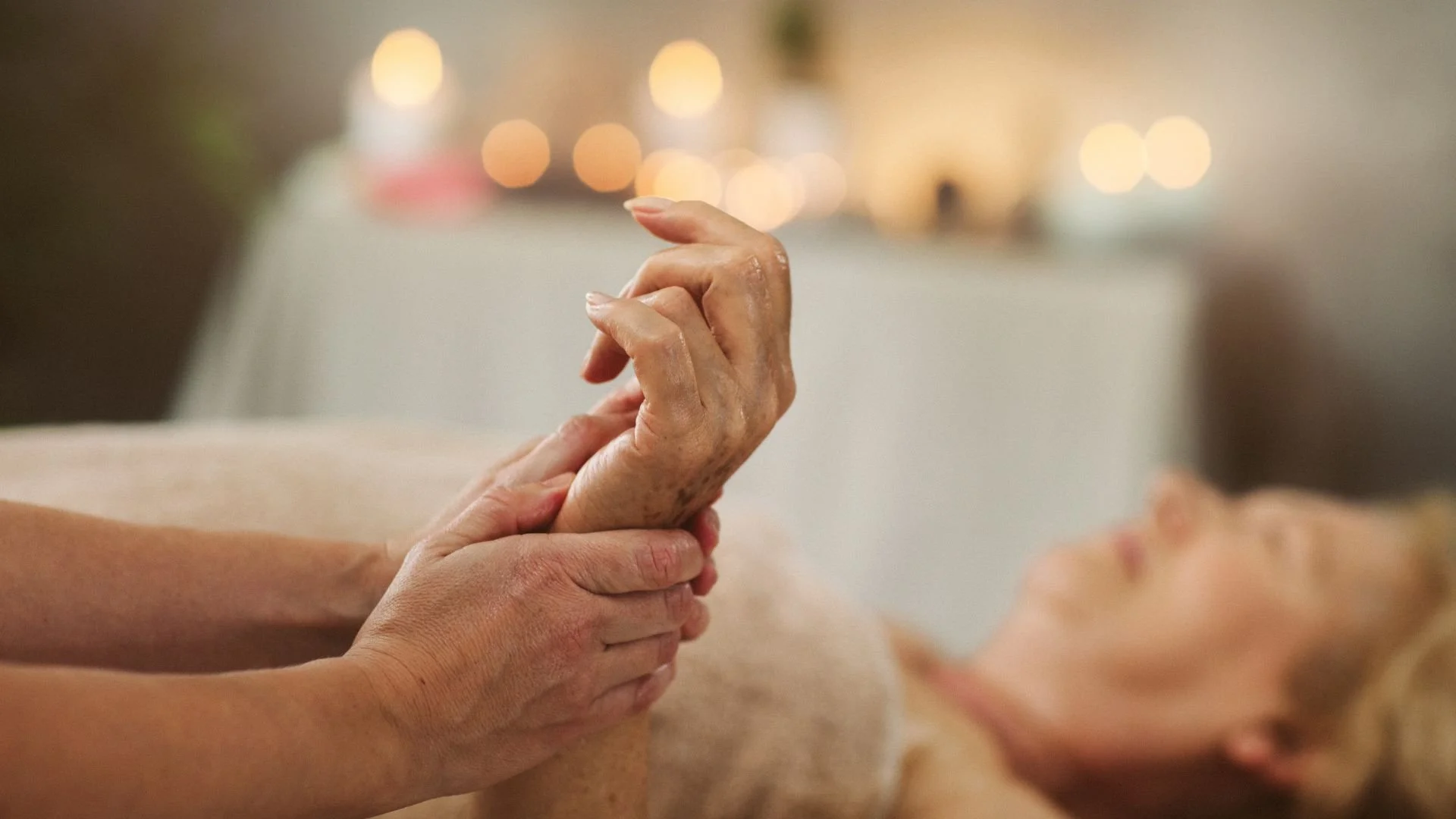
This eight-hour class prepares students to work with the elderly population to address the general complaints that arise with the aging process. There will be a review of some of the common physiological changes that occur in this stage of life, particularly to the skin and the musculoskeletal system, as well as the most common conditions and pathologies in this population. These include fragility, general stiffness, range of motion limitations, and a variety of conditions including arthritis, old injuries, post-surgical scars and adhesions, and osteoporosis, among others. Ways of working with neurological conditions such as stroke, Parkinson’s Disease, and Alzheimer’s, as well as depression and anxiety, will be addressed. Students will learn effective adaptations to treatment, such as levels of pressure, pacing, use of props, working with the client in a variety of positions on the table, a recliner or bed, with or without clothing, and with or without lubricant. Hygiene and safety concerns will be addressed, as well as communication style and the creation of a trusting, safe environment for working with the elderly.
This eight-hour class prepares students to work with the elderly population to address the general complaints that arise with the aging process. There will be a review of some of the common physiological changes that occur in this stage of life, particularly to the skin and the musculoskeletal system, as well as the most common conditions and pathologies in this population. These include fragility, general stiffness, range of motion limitations, and a variety of conditions including arthritis, old injuries, post-surgical scars and adhesions, and osteoporosis, among others. Ways of working with neurological conditions such as stroke, Parkinson’s Disease, and Alzheimer’s, as well as depression and anxiety, will be addressed. Students will learn effective adaptations to treatment, such as levels of pressure, pacing, use of props, working with the client in a variety of positions on the table, a recliner or bed, with or without clothing, and with or without lubricant. Hygiene and safety concerns will be addressed, as well as communication style and the creation of a trusting, safe environment for working with the elderly.